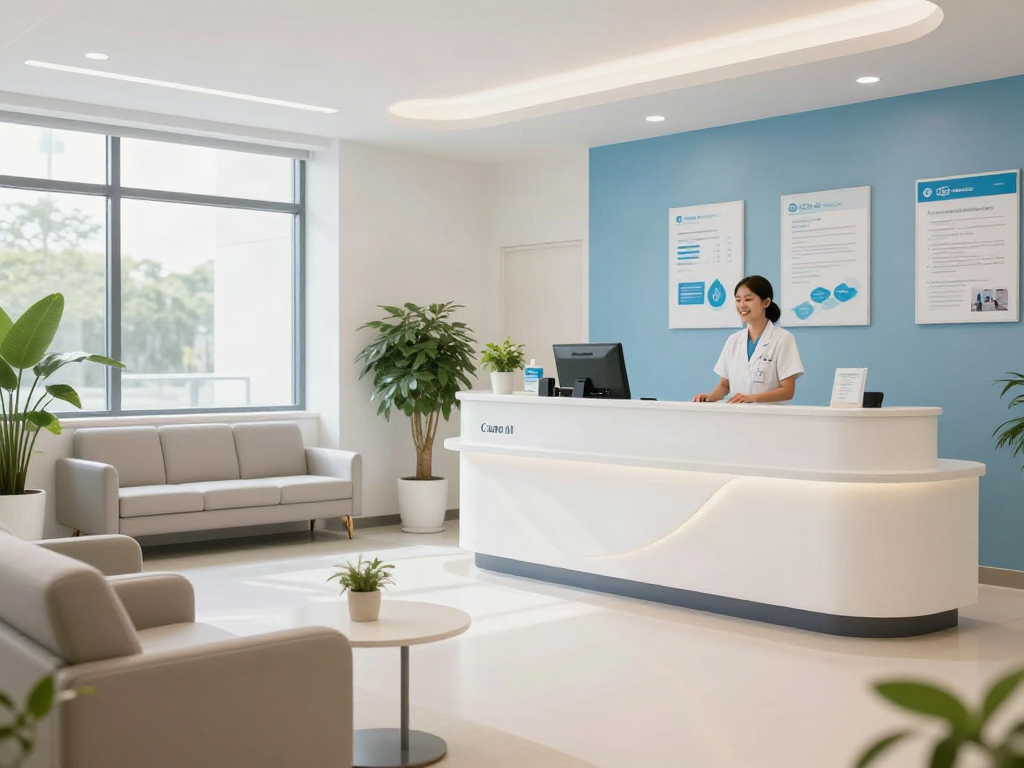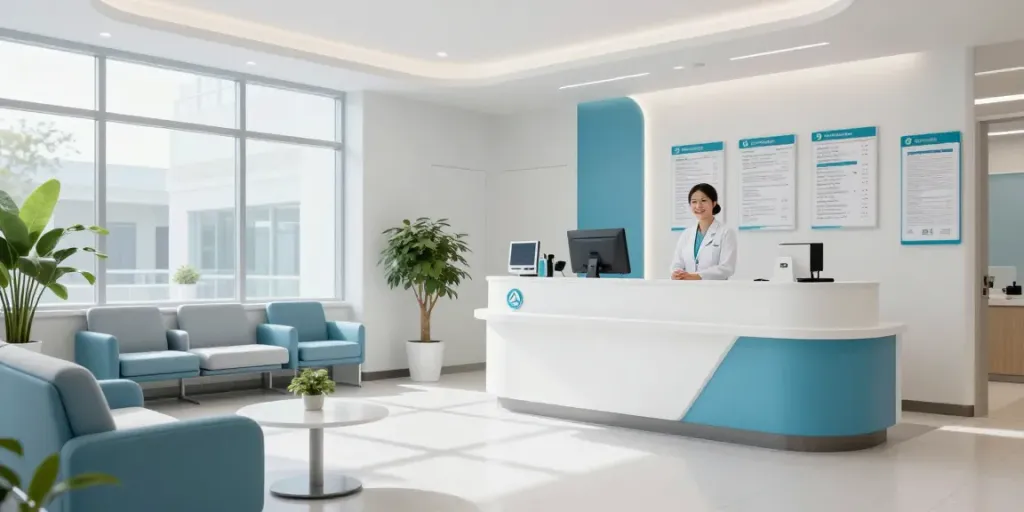
Understanding Situs Slot in Healthcare Context
In the rapidly evolving world of healthcare, the integration of technology plays a crucial role in enhancing patient services. Innovations like situs slot reflect a broader trend, where platforms are being tailored to improve accessibility and efficiency in health delivery. These advancements foster patient engagement, streamline communication, and ultimately redefine how healthcare providers interact with their patients.
The Role of Technology in Patient Services
Adopting technology in healthcare is not simply about convenience; it transforms the fundamental delivery of services. From electronic health records (EHR) to telemedicine, the use of advanced tools enables providers to offer more personalized care. For instance, EHR systems improve the accuracy of patient data, leading to better diagnostic and therapeutic decisions. Moreover, the utilization of patient portals allows individuals to access their health information and communicate directly with their healthcare teams, which can significantly improve adherence to treatment plans.
Transforming Patient Experiences with Innovative Solutions
Innovative solutions such as mobile health apps and artificial intelligence (AI) are enhancing the patient experience. Apps can facilitate appointment scheduling, medication management, and symptom tracking, empowering patients to take an active role in their health. AI-driven platforms provide insights into patient behavior and preferences, enabling a more tailored approach to care that meets the specific needs of diverse patient populations. This customization can lead to improved patient satisfaction and better health outcomes.
How Situs Slot Fits into Modern Health Practices
The concept of situs slot extends beyond traditional parameters, encompassing various aspects of modern healthcare practices. Its application can aid in patient acquisition and retention strategies, leveraging data analytics to understand patient preferences and improve service offerings. This shift towards a data-driven model not only enhances operational efficiency but also maximizes patient engagement through targeted communication strategies.
Expert Insights on Patient Engagement
Patient engagement is imperative for effective healthcare delivery. To ensure that patients are active participants in their care, healthcare providers must prioritize building trust and enhancing communication across all platforms.
Why Trust is Key in Healthcare
Establishing trust in the patient-provider relationship is essential for effective healthcare. Patients who trust their providers are more likely to seek preventative care, adhere to treatment recommendations, and report their symptoms accurately. Building trust involves demonstrating reliability, empathy, and open communication. Providers can foster this trust by actively involving patients in decision-making and respecting their values and preferences.
Improving Communication between Patients and Providers
Effective communication is foundational to patient care. Healthcare providers should strive for clarity and transparency in their interactions. Utilizing plain language while explaining diagnoses, treatment options, and expected outcomes can significantly enhance understanding. Moreover, encouraging patients to ask questions and voice concerns helps create a dialogue that fosters mutual trust.
Innovative Digital Health Tools for Patient Monitoring
Digital health tools, such as remote patient monitoring devices and telehealth platforms, have revolutionized the way healthcare is delivered. These tools allow providers to track patients' health metrics in real-time, facilitating timely interventions when necessary. For instance, wearable devices that monitor vital signs can alert healthcare teams to potential issues before they escalate, promoting proactive instead of reactive care.
Enhancing Access to Care with Telemedicine
Telemedicine has emerged as a game-changer in the accessibility of healthcare services, particularly for patients in remote or underserved areas.
Understanding Telehealth Benefits for Patients
Telehealth offers numerous benefits for patients, including convenience and improved access to specialists. Patients can attend consultations from the comfort of their home, eliminating travel barriers and reducing wait times for appointments. Additionally, virtual visits can enhance continuity of care, as patients are more likely to engage with healthcare providers regularly.
Telemedicine's Role in Rural and Underserved Areas
In rural or underserved areas, telemedicine can bridge significant gaps in healthcare access. Patients who may otherwise face difficulties obtaining necessary care due to geographic constraints can benefit from virtual services. Studies indicate that telemedicine significantly reduces the travel burden for patients, making healthcare more equitable.
How to Navigate Telehealth Platforms for Optimal Care
To maximize the benefits of telehealth, patients should familiarize themselves with the technology used for virtual consultations. Ensuring a stable internet connection, using suitable devices, and understanding how to access the telehealth platform are crucial steps. Providers should also provide clear guidelines on how telehealth appointments will be conducted and what information patients should prepare ahead of time.
Prioritizing Preventive Health and Wellness
Preventive health encompasses strategies aimed at maintaining health and preventing disease, placing emphasis on early detection and healthy lifestyle choices.
Strategies for Effective Health Screenings
Health screenings are pivotal for early diagnosis and effective treatment of various conditions. It is essential to adhere to recommended screening guidelines based on age, risk factors, and family history. Patients should consult their healthcare providers to establish a personalized screening schedule that includes tests for hypertension, diabetes, and cancer risk assessments.
Understanding Risk Factors and Managing Chronic Conditions
Understanding individual risk factors plays a critical role in disease prevention and management. Risk factors such as genetics, lifestyle choices, and environmental influences should be evaluated by healthcare providers to inform tailored treatment plans. Patients diagnosed with chronic conditions must engage in regular follow-up appointments and monitoring to manage their health effectively and adjust treatment protocols as needed.
Nutrition and Lifestyle Improvements for Better Health
Nutritional education and lifestyle modifications significantly impact overall health. A balanced diet rich in fruits, vegetables, whole grains, and healthy fats can help prevent chronic diseases and improve quality of life. Healthcare professionals should work with patients to develop realistic lifestyle goals, promoting physical activity and mental well-being as part of comprehensive care.
Patient Rights and Navigating Healthcare Services
Understanding patient rights empowers individuals to navigate the healthcare system confidently and advocate for their needs effectively.
Understanding Patient Advocacy in Healthcare
Patient advocacy is vital in ensuring that patients receive appropriate and respectful care. Patients have the right to understand their treatments, voice concerns, and access necessary healthcare services. Advocacy not only helps patients articulate their needs but also guides healthcare providers in delivering patient-centered care tailored to individual preferences.
Healthcare Costs Transparency: What You Need to Know
Healthcare costs can vary significantly based on services and providers. Patients have a right to transparency regarding expenses, which can help them make informed decisions about their care. Healthcare providers should offer clear information about costs associated with treatments and the different financing options available to facilitate access to services.
Emergency and Urgent Care: Rights and Resources
Knowing when and how to access emergency and urgent care services is essential. Patients have the right to seek immediate medical attention for serious conditions, and it is crucial to understand which facilities are equipped to handle specific emergencies. Resources such as local emergency numbers, urgent care locations, and patient hotlines can improve outcomes during health crises.
FAQs
What is situs slot in healthcare?
Situs slot refers to innovative platforms that integrate technology and healthcare, enhancing patient engagement and streamlining service delivery.
How does technology enhance patient care?
Technology enhances patient care by providing tools for better communication, facilitating remote monitoring, and improving access to health information, all of which contribute to improved patient outcomes.
What should I know about telemedicine services?
Telemedicine services allow for convenient access to healthcare through virtual consultations, offering numerous benefits, especially for individuals in remote areas who may have difficulty obtaining traditional in-person care.